
How to Read Medicine Labels and Leaflets
Medicine labels hold the information you need to use a product safely. Here is how to read them, section by section, and what to check before you start.

Products you can buy without a prescription are convenient, but they are still medicines. A few simple habits help you use them safely.
Published:

Everyday complaints such as a headache, a blocked nose, heartburn or minor skin irritation often lead people to products they can buy without a prescription. These over-the-counter (OTC) medicines are convenient and widely available, but they are still medicines, with possible side effects and interactions. The US Food and Drug Administration (FDA) notes that OTC medicines are safe and effective when you follow the directions on the label and the advice of your healthcare professional. A few simple habits help you do exactly that.
The label and the patient information leaflet are your most important guides. Read them before you start, even if you have used the product before, because formulations and directions can change. Look in particular for:
Our guides on how to read medicine labels and understanding expiry dates explain these sections in more detail.
The same active ingredient can appear in several different products, often under different brand names. For example, a pain reliever and a multi-symptom cold and flu remedy may contain the same ingredient. Using both at the same time could mean taking more of that ingredient than either label intends, without realising it, and this can be harmful. Before combining products, compare the active ingredients on each label, and if you are unsure, ask a pharmacist.
Labels state how much of a product to use and, often, for how long it should be used without medical advice. Using more, or using it more often, will not necessarily work better and can increase the risk of side effects. If you find you need a product for longer than the label allows, or you keep coming back to it, that is a sign to see a doctor so the cause of your symptoms can be properly assessed.
Some people should speak to a pharmacist or doctor before using any non-prescription product:
Vitamins, minerals and herbal products are often seen as harmless, but the FDA warns that some dietary supplements can interact with medicines, for example by making certain medicines less effective. Mention any supplements you take whenever you ask about a new medicine, and check with a pharmacist before adding a supplement to medicines you already use.
Keep an up-to-date list of everything you take, including prescription medicines, OTC products and supplements, and share it with your pharmacist or doctor. Store products as directed, out of the reach and sight of children; our guide to storing medicines safely at home has practical tips. Our article on questions to ask your pharmacist may also help you get the most from your next visit.
When to see a doctor
If you are not sure whether a non-prescription product is right for you, the team at AJ Pharmacy is happy to talk it through. Ask us in store, call +973 3366 8480 or message us on WhatsApp.
This article is general information, not medical advice. Always read the label and speak with a pharmacist or doctor about your own situation. In an emergency, call 999.
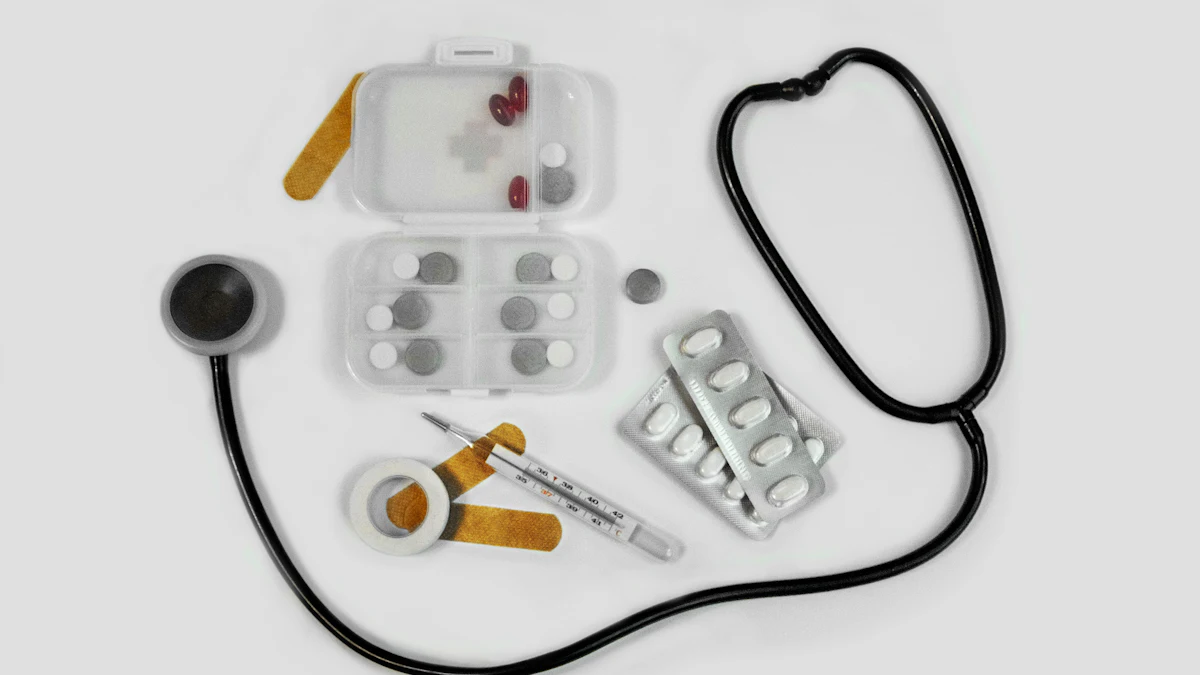
Medicine labels hold the information you need to use a product safely. Here is how to read them, section by section, and what to check before you start.
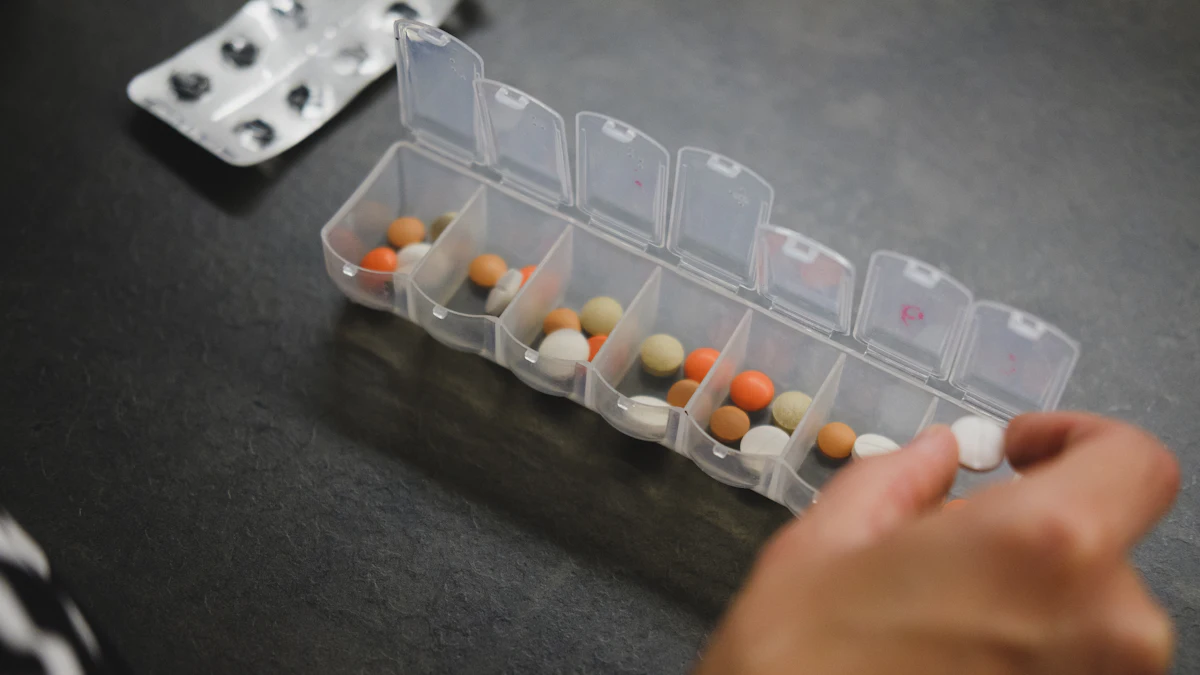
A short conversation with a pharmacist can help you use medicines safely and with confidence. Here are useful questions to ask, and what to bring with you.

How you store medicines affects how well they work and how safe your household is. These simple habits help, especially through the hot summer months.
Send us a message on WhatsApp or give us a call, and our team will help.