
Questions to Ask Your Pharmacist About Your Medicines
A short conversation with a pharmacist can help you use medicines safely and with confidence. Here are useful questions to ask, and what to bring with you.

Medicine labels hold the information you need to use a product safely. Here is how to read them, section by section, and what to check before you start.
Published:
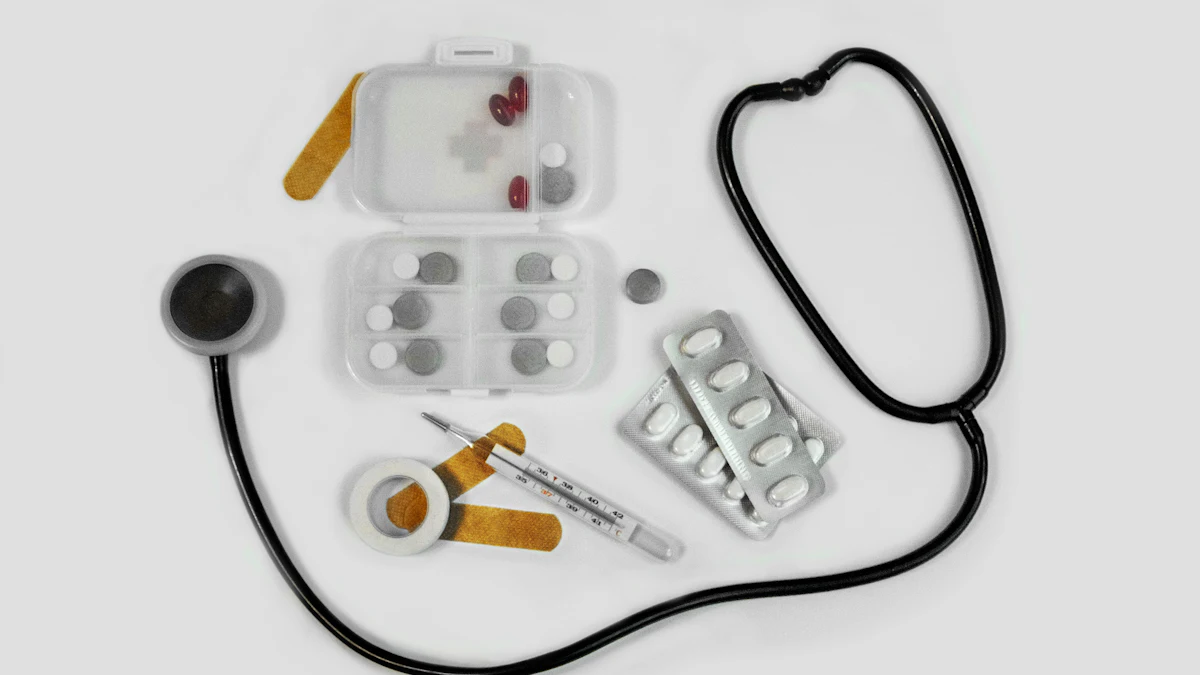
Every medicine comes with information that helps you use it safely: the label on the pack and, usually, a folded patient information leaflet inside. They can look dense at first, but most follow a fairly predictable pattern. Knowing where to look makes it much easier to find what matters for you.
The brand name is the large, eye-catching name on the front of the box. The active ingredient is the substance that actually does the work. It is usually printed in smaller text beneath or near the brand name, and again on the side or back of the pack.
This distinction matters because the same active ingredient can be sold under many different brand names, and products from the same brand family can contain different active ingredients. Two boxes that look alike may not contain the same medicine, and two boxes that look completely different may contain exactly the same one.
Alongside the active ingredient you will see its strength: the amount in each tablet, capsule or measured volume of liquid. The same medicine is often available in more than one strength, so check this carefully, especially when replacing a pack you have finished.
Most labels and leaflets cover the same core information, even if the layout varies:
Read the label each time you buy or use a product, even one you know well. Manufacturers sometimes update ingredients, strengths or warnings.
Somewhere on the pack, often on an end flap or the edge of a blister strip, you will find a batch or lot number and an expiry date. The batch number identifies when and where that pack was made, which is useful if a product is ever recalled. The expiry date is the last date the manufacturer guarantees the product's full strength and safety, provided it has been stored as directed. Our guide to understanding expiry dates explains this in more detail.
The leaflet inside the box contains more detail than the outer label has room for, including fuller lists of side effects, possible interactions with other medicines, and advice for pregnancy, breastfeeding and specific health conditions. Keep the leaflet with the medicine for as long as you have it, so you can check it again later. If you have lost a leaflet, a pharmacist can help you find the information.
One of the most common avoidable mistakes is taking two products that contain the same active ingredient without realising it. This can happen easily with combination products, such as cold and flu remedies, which may contain several ingredients, one of which you might already be taking in another product.
Before using more than one product at the same time:
For more on this, see using over-the-counter products responsibly.
Ask before using a medicine if you are pregnant or breastfeeding, if it is for a child or an older relative, if you take other medicines or live with a long-term condition, or if anything on the label is unclear. If you notice an unexpected reaction after starting a medicine, seek advice promptly. For a severe reaction, such as difficulty breathing or swelling of the face or throat, seek emergency care straight away.
If you would like help reading a label or leaflet, ask our team at AJ Pharmacy in store, call +973 3366 8480 or message us on WhatsApp. You may also find our list of questions to ask your pharmacist useful.
This article is general information, not medical advice. Always read the label and speak with a pharmacist or doctor about your own situation. In an emergency, call 999.
A short conversation with a pharmacist can help you use medicines safely and with confidence. Here are useful questions to ask, and what to bring with you.
How you store medicines affects how well they work and how safe your household is. These simple habits help, especially through the hot summer months.
Expiry dates are more than a formality. Learn what they mean, why opened products may not last as long, and how to spot a product that has spoiled.
Send us a message on WhatsApp or give us a call, and our team will help.