
How to Read Medicine Labels and Leaflets
Medicine labels hold the information you need to use a product safely. Here is how to read them, section by section, and what to check before you start.

How you store medicines affects how well they work and how safe your household is. These simple habits help, especially through the hot summer months.
Published:
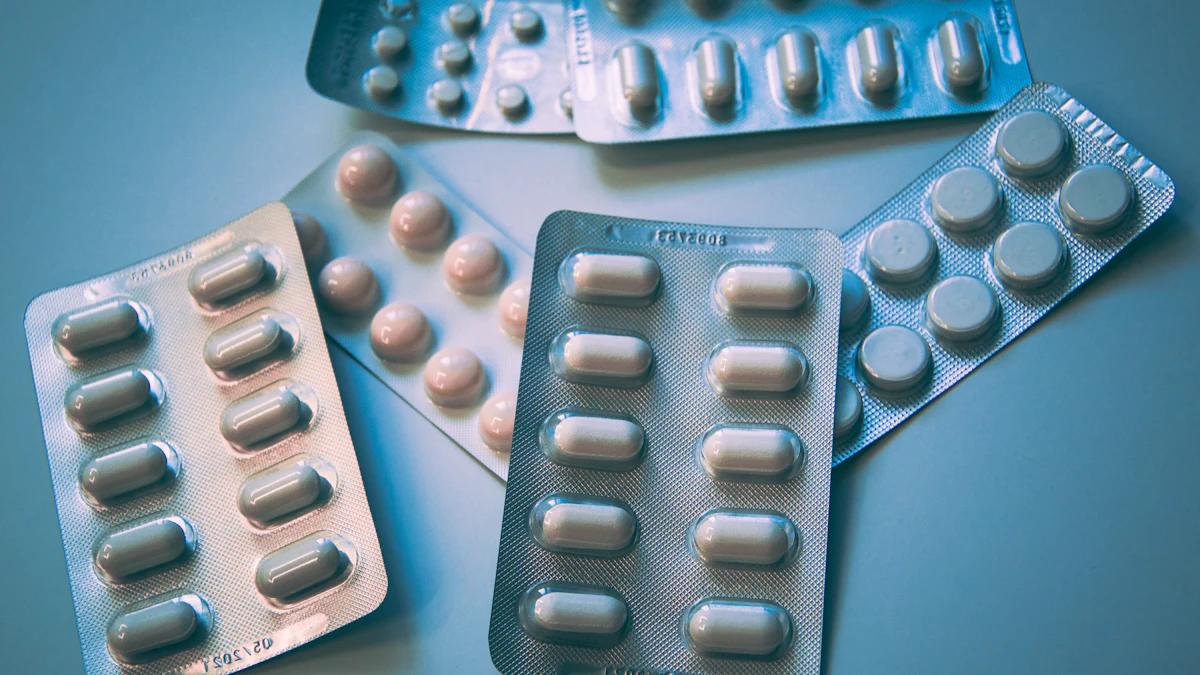
Where and how you keep medicines at home makes a real difference to how well they work and how safe your household is. Heat, moisture, light and curious children can all cause problems, but a few simple habits go a long way.
Unless the label says otherwise, most medicines are best kept somewhere cool, dry and out of direct sunlight, such as a cupboard or drawer in a bedroom or living area. Always check the storage section of the label or leaflet, because some products have specific requirements.
The bathroom cabinet is a traditional spot, but steam from showers makes the bathroom one of the most humid rooms in the home, and moisture can affect tablets, capsules and powders. Kitchen cupboards next to the cooker, kettle or sink, and windowsills in direct sun, are also best avoided.
Bahrain's long, hot and humid summers make storage worth extra thought. Heat and humidity can cause some medicines to break down, soften, melt or lose strength before their expiry date, and you may not be able to tell just by looking.
Keep medicines in your hand luggage in their original packs, with a copy of any prescription, so they stay with you and are not exposed to extremes of temperature in the hold. If a medicine needs refrigeration, ask a pharmacist how to transport it safely. Some medicines are controlled in other countries, so check the rules for your destination before you go.
The original pack protects medicines from light and moisture, and it carries the name, strength, directions, batch number and expiry date. Once a medicine is moved into an unlabelled container, it becomes easy to mix things up. Pill organisers can help some people, but fill them only a short time ahead and keep the original packs and leaflets nearby. Our guide on how to read medicine labels explains what to look for.
Some medicines, such as certain eye drops, injections or liquids, need to be kept in the fridge, while others must not be refrigerated. Follow the label exactly. Keep fridge items in a clean, closed container on a middle shelf, away from the freezer compartment and the back wall, where they could freeze.
Children are naturally curious, and many medicines look like sweets or come in bright packaging. Store all medicines, including vitamins and creams, up high and out of sight, ideally in a cabinet that locks. Child-resistant caps help, but they are not childproof, so always close them properly after use. Be mindful of handbags, bedside tables and visitors' bags, which young children can easily reach. If you think a child has swallowed a medicine that was not meant for them, seek urgent medical help immediately, even if they seem well.
Clear out your medicine cupboard regularly. Set aside anything that is past its expiry date, has changed in appearance, has lost its label, or is left over from a finished course. Do not flush medicines down the toilet or pour them down the sink, and avoid simply putting them in household rubbish where children or animals could find them. Ask a pharmacist about suitable disposal options in your area. Our guide to understanding expiry dates covers the signs that a product may have spoiled.
Ask a pharmacist if a medicine has been left somewhere hot, has frozen when it should not have, or looks, smells or feels different from usual. Do not stop a prescribed medicine on your own because you are worried about it; speak to your pharmacist or doctor first. If someone may have taken a medicine by accident, seek urgent medical help.
If you have a question about storing a particular medicine, ask our team at AJ Pharmacy in store, call +973 3366 8480 or message us on WhatsApp.
This article is general information, not medical advice. Always read the label and speak with a pharmacist or doctor about your own situation. In an emergency, call 999.
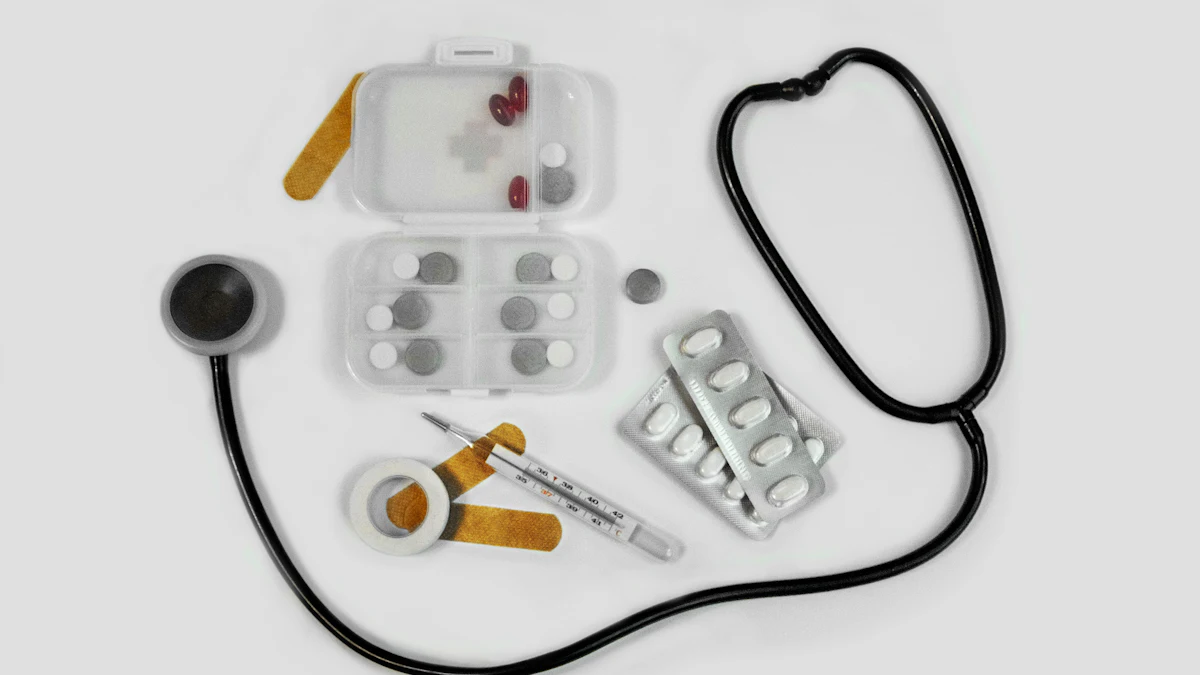
Medicine labels hold the information you need to use a product safely. Here is how to read them, section by section, and what to check before you start.
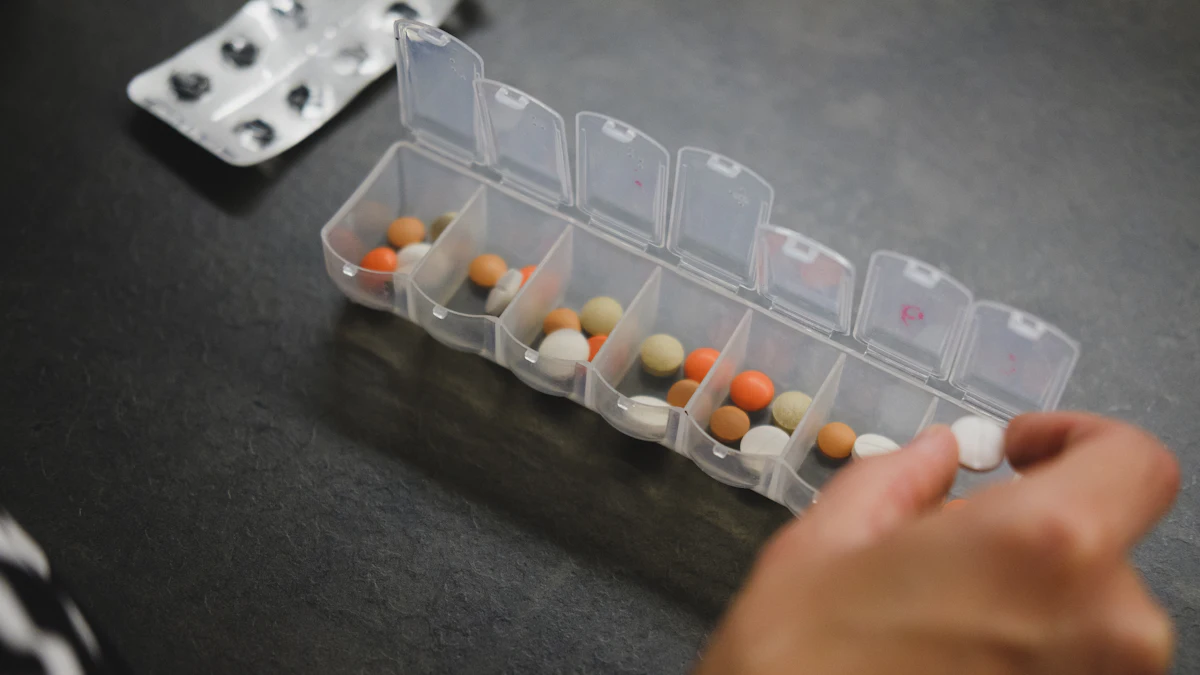
A short conversation with a pharmacist can help you use medicines safely and with confidence. Here are useful questions to ask, and what to bring with you.
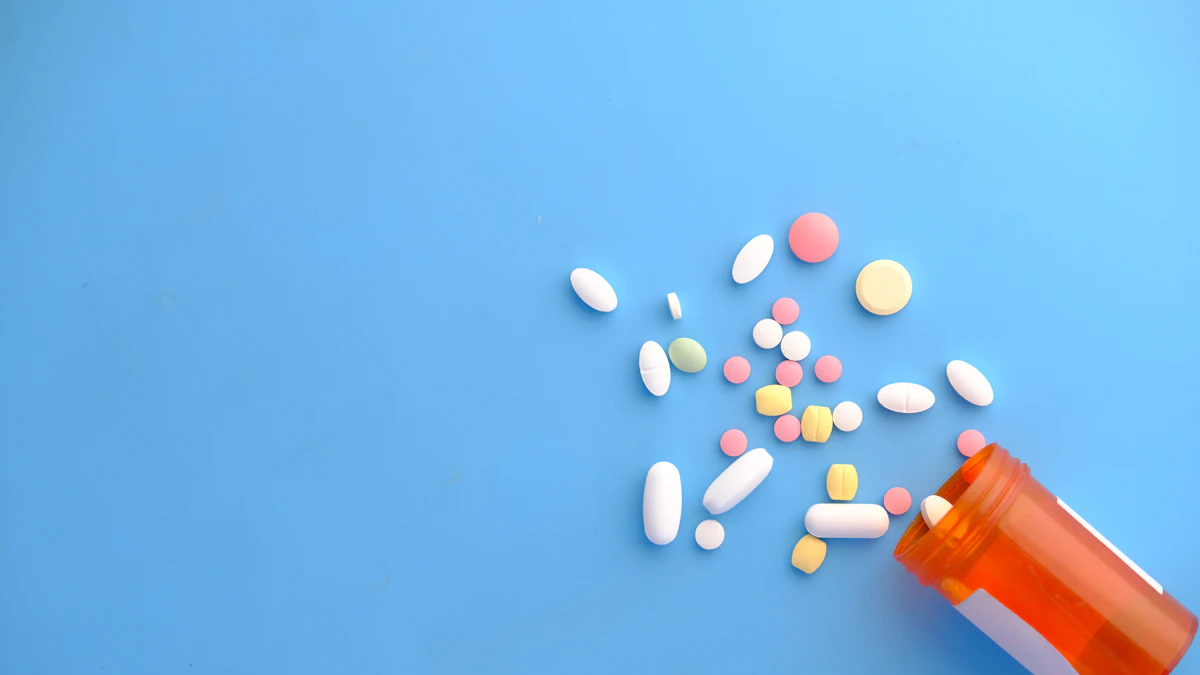
Expiry dates are more than a formality. Learn what they mean, why opened products may not last as long, and how to spot a product that has spoiled.
Send us a message on WhatsApp or give us a call, and our team will help.