
How to Read Medicine Labels and Leaflets
Medicine labels hold the information you need to use a product safely. Here is how to read them, section by section, and what to check before you start.

A short conversation with a pharmacist can help you use medicines safely and with confidence. Here are useful questions to ask, and what to bring with you.
Published:
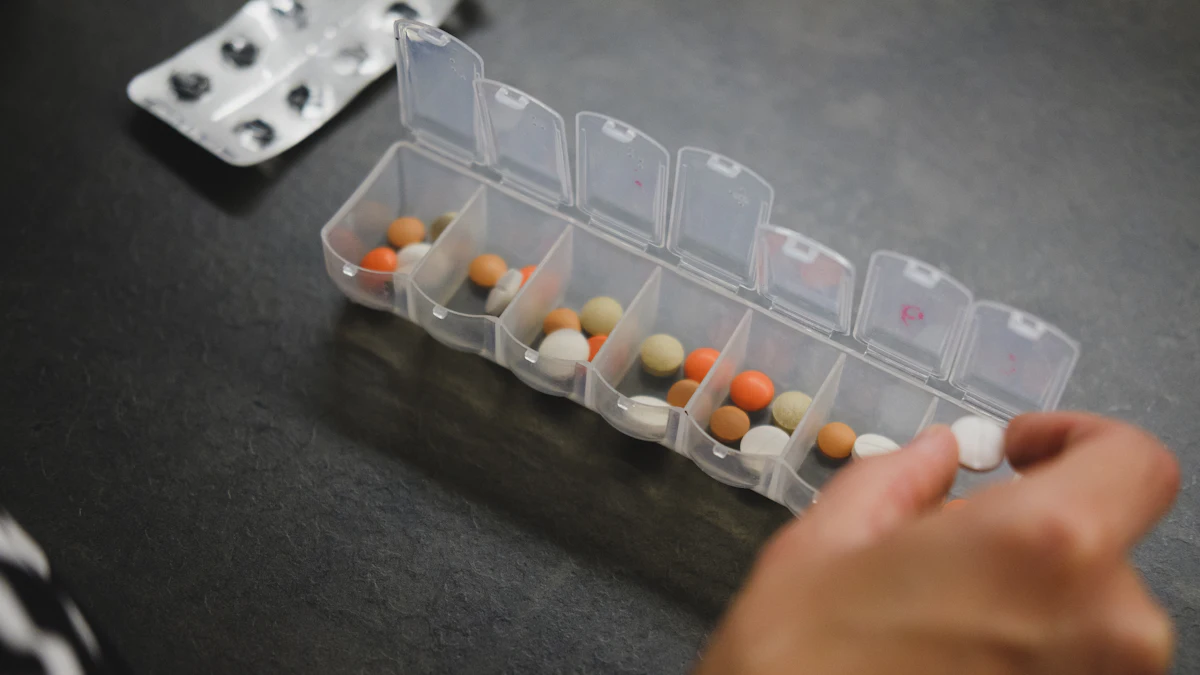
Pharmacists are experts in medicines, and a few minutes of conversation when you collect a prescription or choose a non-prescription product can make a real difference to how safely and confidently you use it. Yet many people leave the counter with unanswered questions, simply because they were not sure what to ask. The questions below are a useful starting point. You do not need to ask all of them every time; choose the ones that matter to you.
A pharmacist can give more useful answers when they know what else you take. Keep an up-to-date list of:
Keeping this list on your phone or on a card in your wallet makes it easy to share. The US Food and Drug Administration (FDA) explains that medicines can interact with other medicines, foods, drinks and supplements, so a complete list helps the pharmacist spot possible problems. It also helps to write your questions down before you visit, and to keep the patient information leaflet to read again at home.
For help with the wording on packaging, see our guide on how to read medicine labels.
When to get medical help
Contact a doctor promptly if your symptoms get worse or do not improve as expected, or if you notice a new rash or a side effect that worries you. Seek urgent medical help for swelling of the face, lips or tongue, or difficulty breathing.
Always tell the pharmacist if you are pregnant, trying to become pregnant or breastfeeding. Some medicines and supplements are not suitable at these times, and the FDA advises talking with a healthcare provider before taking any medicines, vitamins or supplements during pregnancy. If a medicine is for a child, mention the child's age and, if you know it, their weight, and ask how to measure each dose accurately with the device provided. When buying for an older relative, bring their list of medicines too, as older adults often take several medicines at once.
Finally, if anything is unclear, ask for it to be explained again. Repeating the key instructions back in your own words is a simple way to check you have understood.
The team at AJ Pharmacy is happy to answer your questions about medicines and everyday health products. Ask us in store, call +973 3366 8480 or send us a message on WhatsApp.
This article is general information, not medical advice. Always read the label and speak with a pharmacist or doctor about your own situation. In an emergency, call 999.
Medicine labels hold the information you need to use a product safely. Here is how to read them, section by section, and what to check before you start.

How you store medicines affects how well they work and how safe your household is. These simple habits help, especially through the hot summer months.

Expiry dates are more than a formality. Learn what they mean, why opened products may not last as long, and how to spot a product that has spoiled.
Send us a message on WhatsApp or give us a call, and our team will help.