
Simple Everyday Personal Care Habits
Small daily habits add up. Here are practical personal care basics, from handwashing and oral care to hydration, sleep and trying new products safely.

Heat, strong sun and air-conditioning all affect your skin. A simple, consistent routine of gentle cleansing, moisturising and sun protection goes a long way.
Published:

Bahrain's long, hot summers, strong sunshine and humid air shape how our skin feels from day to day. Add the hours spent in air-conditioned homes, cars and offices, and skin can swing between feeling sweaty and oily outdoors and tight or dry indoors. The good news is that a simple, consistent routine usually goes further than a complicated one. This guide covers the basics, and when it is worth getting a professional opinion.
Heat and humidity mean more sweat, and it can be tempting to wash often with strong products. However, over-cleansing can strip the skin of its natural oils and leave it irritated. A few simple habits help:
Moisturising may seem unnecessary in humid weather, but air-conditioning dries the air indoors, and moving back and forth between hot outdoor air and cool indoor air can leave skin feeling tight or flaky. Applying a moisturiser to slightly damp skin after washing helps hold water in the skin. If you are prone to breakouts, look for products labelled non-comedogenic or oil-free, and ask a pharmacist if you are unsure what suits your skin type.
The World Health Organization notes that too much ultraviolet (UV) radiation from the sun can cause sunburn, contributes to premature skin ageing and increases the risk of skin cancer. UV levels are usually highest around the middle of the day, and in a sunny country like Bahrain they can be high for much of the year, not only in summer.
Sunscreen is one part of sun protection, not the whole of it. The American Academy of Dermatology (AAD) recommends a broad-spectrum sunscreen, meaning one that protects against both UVA and UVB rays, with an SPF of 30 or higher and water resistance. Useful habits include:
Physical protection works alongside sunscreen:
Sand, water and pale surfaces reflect sunlight, so you can still burn under an umbrella at the beach. Babies and young children need extra care in the sun, so ask a pharmacist or doctor how to protect very young skin.
Even gentle products can occasionally cause irritation or an allergic reaction. The AAD suggests testing a new skin care product before using it widely. A common approach is to apply a small amount to a small patch of skin, such as the inner forearm, for several days, and to stop using it if redness, itching, swelling or a rash appears. Introducing one new product at a time also makes it easier to tell which one is responsible if your skin reacts. Always follow the directions on the label.
Checking your skin from time to time, including areas you cannot easily see, helps you notice changes early. If something looks unusual or you are worried, it is always reasonable to have it checked.
When to speak to a pharmacist or doctor
If you have questions about sun protection or everyday skin care products, the team at AJ Pharmacy is happy to help. Ask us in store, call +973 3366 8480 or message us on WhatsApp. You can find more practical guides in our health insights, including everyday personal care habits.
This article is general information, not medical advice. Always read the label and speak with a pharmacist or doctor about your own situation. In an emergency, call 999.

Small daily habits add up. Here are practical personal care basics, from handwashing and oral care to hydration, sleep and trying new products safely.
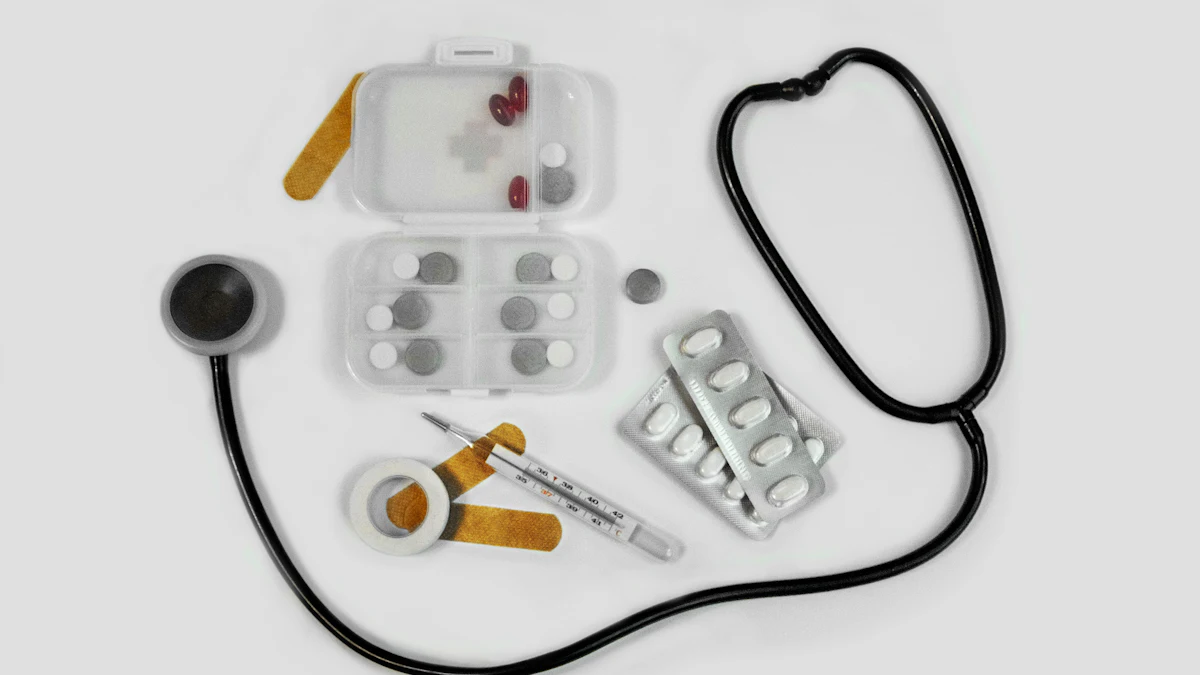
Medicine labels hold the information you need to use a product safely. Here is how to read them, section by section, and what to check before you start.
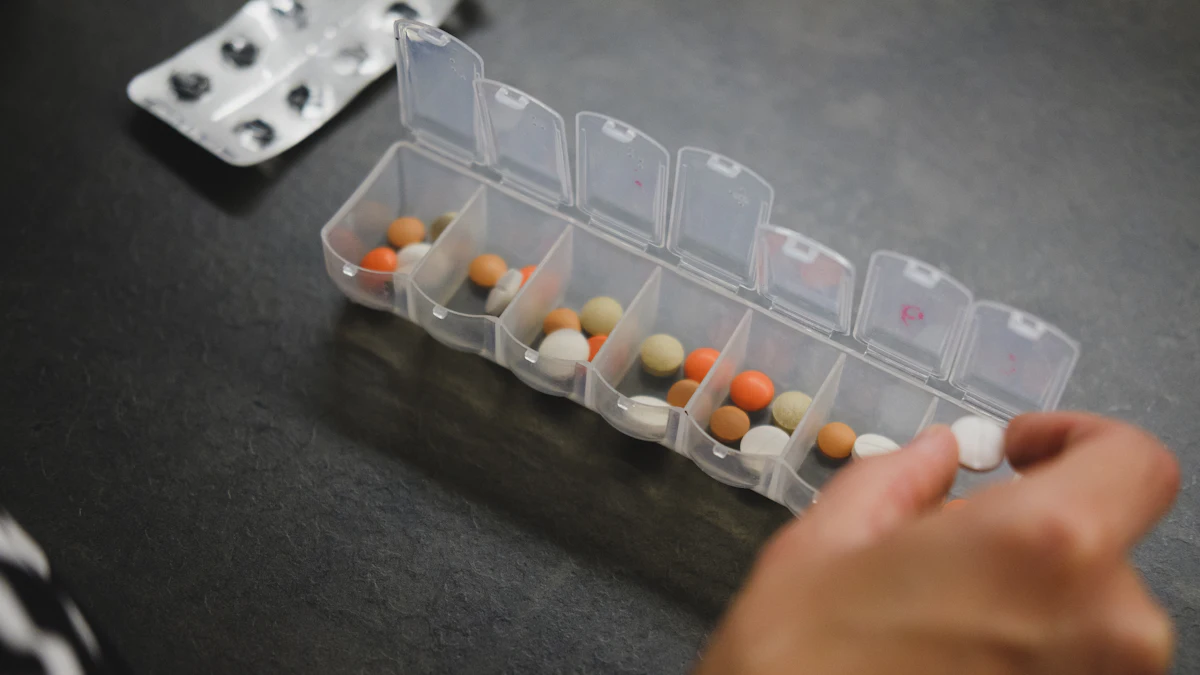
A short conversation with a pharmacist can help you use medicines safely and with confidence. Here are useful questions to ask, and what to bring with you.
Send us a message on WhatsApp or give us a call, and our team will help.