
How to Read Medicine Labels and Leaflets
Medicine labels hold the information you need to use a product safely. Here is how to read them, section by section, and what to check before you start.

Small daily habits add up. Here are practical personal care basics, from handwashing and oral care to hydration, sleep and trying new products safely.
Published:

Good personal care rarely depends on expensive products or complicated routines. Much of feeling well day to day comes down to simple habits, repeated consistently. Here are some of the basics, with a few notes on living in a hot, humid climate like Bahrain's.
Clean hands are one of the most effective ways to reduce the spread of many common infections. Wash your hands with soap and water:
Wet your hands, apply soap and rub all surfaces, including the backs of the hands, between the fingers, the thumbs and under the nails, for at least 20 seconds. Rinse and dry thoroughly with a clean towel. When soap and water are not available, an alcohol-based hand rub is a useful alternative, although it works less well on hands that are visibly dirty or greasy.
Brush your teeth twice a day, including last thing at night, using a fluoride toothpaste and paying attention to the gum line. Afterwards, spit out the excess rather than rinsing straight away, so the fluoride can keep working. Clean between your teeth with floss or interdental brushes, try to keep sugary foods and drinks to mealtimes, and visit a dentist for regular check-ups. See a dentist sooner if you notice bleeding gums that do not settle, persistent pain or new sensitivity.
In a hot climate the body loses more fluid through sweat, often more than you realise, particularly outdoors, during exercise or when travelling. Drink water regularly through the day rather than waiting until you feel very thirsty, and drink more when it is hot or you are active. Pale yellow urine is a helpful sign that you are drinking enough; dark urine, headache, dizziness or tiredness can be signs that you need more. If you have a heart or kidney condition, or have been advised to limit fluids, follow your doctor's guidance.
Heat and sweat can also leave skin feeling oily or irritated. Wash with lukewarm rather than hot water and a mild, fragrance-free cleanser, pat dry gently, and change out of damp clothes after exercise. Over-washing or scrubbing can strip the skin's natural barrier. For more, see skin care basics in a hot climate.
Sleep supports almost every aspect of health, including mood, concentration and skin. Try to keep regular sleep and wake times, keep the bedroom cool, dark and quiet, and put screens away for a while before bed. Caffeine later in the day, heavy meals close to bedtime and long daytime naps can all make it harder to fall asleep. If poor sleep continues for weeks or affects your daily life, speak to a doctor rather than relying on products alone.
Packaging and marketing claims say little about what a product actually contains; the ingredient list is far more useful. Ingredients are generally listed in descending order of amount, so the first few make up most of the product. If you know you react to a particular ingredient, such as a fragrance or preservative, check for it every time, because formulas can change. "Natural" does not automatically mean gentle, and plant extracts can cause reactions too.
Before using a new skin or hair product all over, it is sensible to test it first. Apply a small amount to a discreet area, such as the inner forearm, the way you normally would, over several days. If you notice redness, itching, swelling or a rash, wash it off and stop using it. Always follow any specific instructions on the pack, for example with hair dyes, which often include their own skin test steps.
Ask for advice if a skin reaction spreads, blisters or does not settle, or if problems with your gums, skin or sleep continue. In the heat, heavy sweating, dizziness, nausea, headache or weakness that does not improve after resting somewhere cool and drinking fluids needs medical attention. Seek emergency help for difficulty breathing, swelling of the face or lips, confusion, or hot, dry skin in someone who has been out in the heat.
If you would like help reading an ingredient list or choosing everyday products that suit you, ask our team at AJ Pharmacy in store, call +973 3366 8480 or message us on WhatsApp. You can also read more of our health articles.
This article is general information, not medical advice. Always read the label and speak with a pharmacist or doctor about your own situation. In an emergency, call 999.
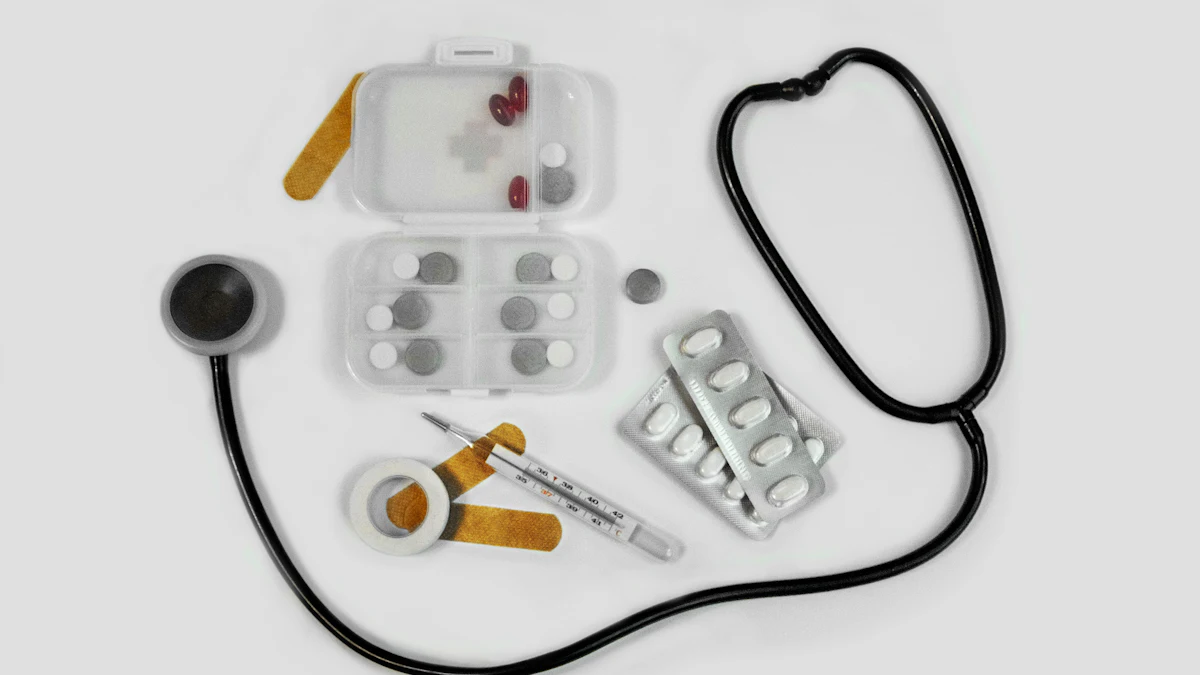
Medicine labels hold the information you need to use a product safely. Here is how to read them, section by section, and what to check before you start.
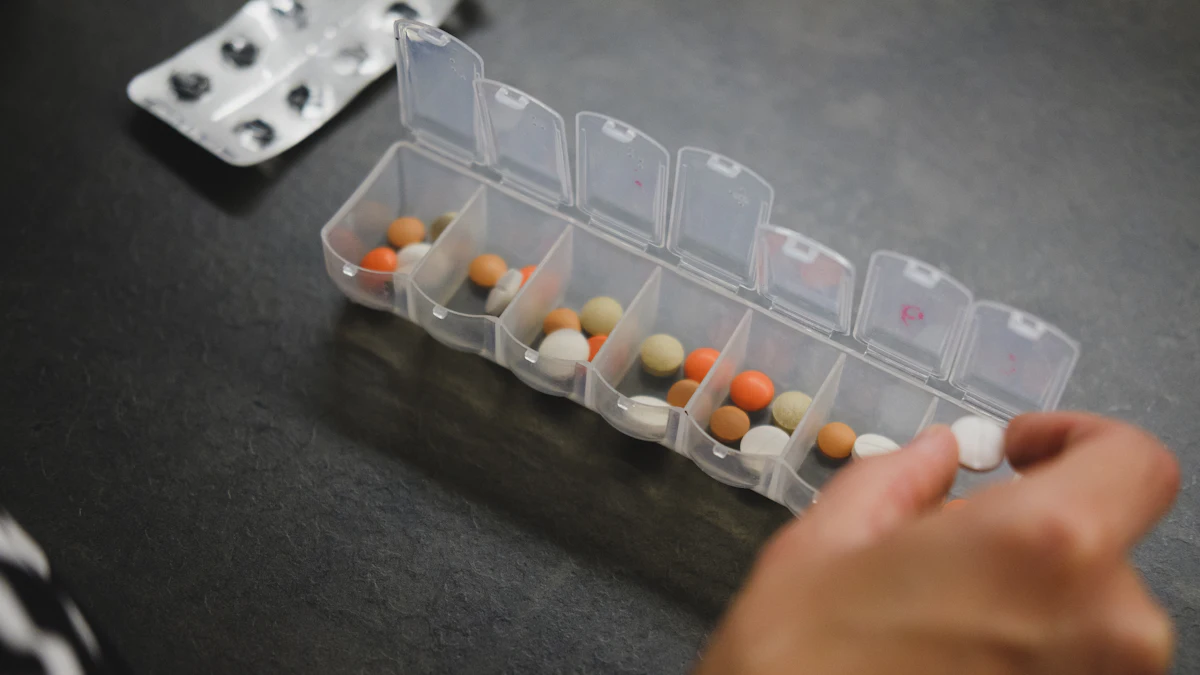
A short conversation with a pharmacist can help you use medicines safely and with confidence. Here are useful questions to ask, and what to bring with you.

Heat, strong sun and air-conditioning all affect your skin. A simple, consistent routine of gentle cleansing, moisturising and sun protection goes a long way.
Send us a message on WhatsApp or give us a call, and our team will help.